.avif)
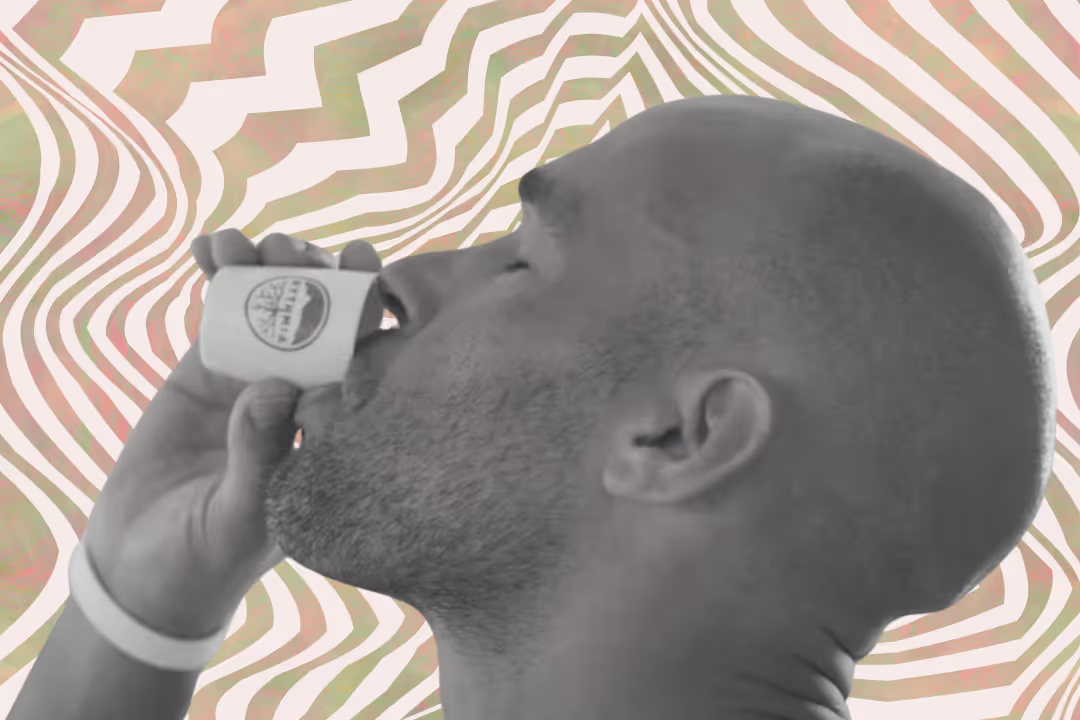
From September 5 to 12, during the week of the 25th anniversary of 9/11, Rythmia hosted its first dedicated week, which was closed to the public, and reserved entirely for combat veterans. The week was built in collaboration with The Coming Home Project, a veteran-founded nonprofit with one mission, to end veteran suicide. An estimated 17 veterans die by suicide every day in the United States, and veterans experience PTSD at roughly five times the rate of the general population. Every man in the room had carried a significant weight from the trauma of war, and the years that followed, but left Rythmia thoroughly transformed, carrying a lot less than they arrived with, and a brotherhood that came home with them.
.avif)
The Week Begins
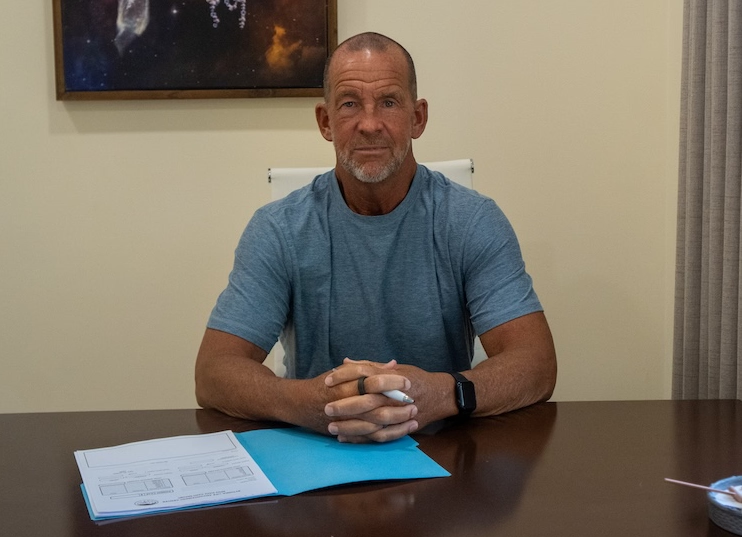
Johnny Messner opened the week by laying out what the next seven days would ask of them. What the ceremonies would be like, what the days between them would hold, and how to move through the hard parts. By the end of that first talk, a room of strangers had a shared sense of where they were going, and each man approached what came next with an open heart, and mind.
.avif)
Back Into the Body
Trauma doesn't only live in memory, it also settles into the nervous system, into posture, breath, and a body that stays braced for danger long after the threat is gone. Yoga is one of the modalities within the Rythmia Way program that works on that directly, moving individuals out of a constant state of alert and into a space of peaceful awareness. Paired with daily integration and The Answer Is You classes, the hours between ceremonies offer powerful personal development, and work to prepare the body for what the medicine asks of it.
.avif)
Remembering to Breathe
Breathwork is where a lot of the week's earliest movement happens, and many of our guests report experiencing their first miracles through their breath. Intentionally working with breath helps our guests reach the subconscious chambers that the thinking mind has kept locked down. Our process allowed these men to feel permission to be vulnerable, to sit with shame and guilt, and find freedom in the possibility of letting them go once and for all. One veteran described erasing the false narrative that had been running underneath his whole life, and another said the week taught him, clearly, that he can heal.
.avif)
A Brotherhood
Four ceremonies under 24-hour medical supervision, one unified care team, and a room where nobody had to explain themselves. One veteran called it a tribe, a war you can go to together that isn't the war any of them already knew. Not body parts and bad guys, just the real work of helping each other return back to wholeness.
Their Week, in Their Own Words
What happens here continues forward long after our guests leave. Marriages change. Grandkids get a different version of their grandfather. Men in their sixties who had been trying to figure it out their whole lives finally found an answer. As one veteran put it, "you're watching generations improve."
The Coming Home Project coaches were with these men before they arrived and will stay with them long after, in tandem with RLife's integration program. Together they cover both sides of integration, the daily practice and the human support behind it.
One of the veterans offered this to anyone still on the fence: “If you try it and didn't need it, you're still better off. If you don't try it and you did need it, tomorrow looks exactly like today.”
To learn more about The Coming Home Project, visit thecominghomeproject.org.